Showing posts with label blueberry. Show all posts

Friday, July 26, 2024

The Health Benefits and Historical Significance of Blueberries

Blueberries, part of the Ericaceae family and the Vaccinium genus, are indigenous to North America. The Vaccinium genus includes many species with edible fruits, such as bilberry (V. myrtillus), cranberry (V. macrocarpon), lingonberry (V. oxycoccus), and huckleberry (V. ovatum and V. vaccillans), making blueberries a highly valued fruit.

Native Americans not only enjoyed fresh blueberries but also dried them for use with other foods. They believed in the medicinal properties of blueberry roots and leaves. Blueberry leaf tea was thought to purify the blood, and blueberry juice was used to treat coughs.

Modern research is beginning to corroborate these early insights into the health benefits of blueberries. Studies have shown that blueberry leaves contain higher phenolic and antioxidant levels than the fruit tissues. Laboratory studies have demonstrated that dried blueberry extracts with high antioxidant content can reverse signs of aging. Other research has indicated that specific wild blueberry extracts may possess anti-adhesion and chemopreventive properties, which could help prevent certain diseases.

Blueberries are increasingly recognized as a functional fruit that can improve health and quality of life. Their high antioxidant content, particularly in the leaves, contributes to their potential in combating aging and various diseases. Regular consumption of blueberries has been linked to numerous health benefits, including improved cognitive function, reduced risk of heart disease, and enhanced gut health. The high fiber content in blueberries aids digestion, while their anti-inflammatory properties can help reduce the risk of chronic illnesses. As science continues to explore and validate these benefits, blueberries are emerging as a powerful tool in promoting overall health and well-being.
The Health Benefits and Historical Significance of Blueberries
Friday, April 17, 2015

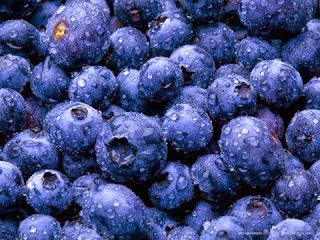
Fruit of blueberry

Several species of Vaccinium are important commercially. Most production comes form species in section Cyanococcus including cultivars of Vaccinium corymbosum L. (highbush blueberry) and Vaccinium ashei (rabbiteye blueberry),’

Blueberry is a high value crop which can thrive on acidic, imperfectly drained sandy soils, once considered worthless for agricultural crop production.

Blueberries are eaten as fresh fruit and in processed forms. About 50% of the highbush crop is marketed fresh and the remainder is processed.

Blueberry contains a diverse range of phytochemicals that have been implicated in having beneficial health effects.

These include vitamin A, C and E, folic acid, beta-carotene, alpha-sitosterol and stigmasterol, triterpene esters and phenolic molecules.

Blueberries are one of the richest sources of antioxidants of all fresh fruits and vegetables.

Plant derived antioxidants have been shown to function as singlet and triplet oxygen quenches as, free radical scavengers, peroxide decomposers, enzyme inhibitors and synergists.
Fruit of blueberry


Tuesday, November 29, 2011

Ancient Blueberries

This berry has several names – whortleberry, bilberry, hurtleberry and cousins – saskatoons and huckleberry.

Many botanists believe a blueberry antecedent could be the most ancient living thing on earth, stepping up to the cereal bowl at the whopping 13,00 years old.

Primitive man was a hunter and a collector and one of the things they liked collecting were berries.

Blueberries being chock full of antioxidants and nutrients, were a chief sources of nutrition for many ancient civilizations.

During the times of the Greeks and Romans, blueberry relatives were an important part of the daily diet.

The harvest time of blueberries since ancient times has been a time of celebration. Indian in North America have gathered the fruit for centuries an still continues considerably to the harvest. It was them who introduced the practice of burning to control encroaching shrubs, trees and other unwanted ‘weeds’ and to kill the pests and diseases that invade the blueberry patches.

The Indians who lived on the sores of what is now called Lake Huron mixed powdered, dried berries with water, cornmeal and wild honey to make pudding, reported by observer and explorer in the early 17th century.   
Ancient Blueberries

Popular Posts

Selected articles

BannerFans.com